
In today’s fast-growing digital world, having a website is not enough to succeed online. With millions of websites competing for attention, it has become essential to ensure that your website stands out in search engine results. This is where Search Engine Optimization (SEO) plays a key role. SEO helps improve your website’s visibility on search engines like Google, making it easier for users to find your content, products, or services.
In 2026, SEO has evolved beyond simple keyword usage and now focuses on providing value to users through high-quality content, better user experience, and strong technical performance. Search engines are becoming smarter and prioritize websites that are fast, mobile-friendly, and relevant to user intent. By applying the right SEO strategies and best practices, businesses and individuals can increase their online presence, attract more organic traffic, and achieve long-term success.
What is SEO?
Search Engine Optimization (SEO) is the process of improving a website so it ranks higher on search engines like Google. When a website appears at the top of search results, more people can find it, which increases traffic and visibility.
SEO involves optimizing content, using the right keywords, improving website performance, and building trust so that search engines show your website to users searching for related information.
Importance of SEO for Website Visibility
SEO helps your website appear on search engines, making it easier for potential customers to find you. Without SEO, even a great website can remain invisible online.
Role of SEO in Digital Marketing
- SEO improves your website’s ranking on search engines.
- Attracts users who are actively searching for your products or services.
- Complements other digital marketing strategies like social media and ads.
- Provides measurable results through analytics to track and improve performance.
Benefits of Organic Traffic
- Drives free, targeted traffic from search engines.
- Visitors are more likely to engage and convert.
- Builds long-term traffic that doesn’t depend on ads.
- Reduces marketing costs while boosting brand visibility.
Building Trust and Credibility
- Websites on the first page are seen as trustworthy and reliable.
- SEO improves site speed, mobile-friendliness, and security.
- Quality content enhances authority and user experience.
- Consistent presence in search results strengthens brand reputation.
How Search Engines Work Today
AI and Modern Search
Search engines have evolved significantly over the years. In the past, they mainly focused on matching keywords. Today, they use artificial intelligence to understand the meaning behind search queries. This allows them to provide more accurate and relevant results.
AI also analyzes user behavior. For example, if users spend more time on a website, it indicates that the content is useful. If they leave quickly, it suggests that the content is not helpful. This is why creating engaging and informative content is essential.
Zero Click Searches
Zero-click searches are becoming increasingly common. This means users get their answers directly on the search results page without clicking any website. Examples include quick facts, definitions, and weather updates.
Although this may reduce clicks, it increases visibility. If your content appears in these results, your brand becomes more recognizable. Over time, this can lead to more traffic and trust.
To take advantage of zero-click searches, you should provide clear and concise answers. Adding FAQs and structured data can also improve your chances of being featured.
Keyword Research and Strategy
Keyword research is a core part of SEO that helps identify what users are searching for online. By selecting the right keywords, websites can attract relevant traffic and improve their chances of ranking higher on search engines. A good keyword strategy focuses on user intent and uses keywords naturally in the content.
What are Keywords?
Keywords are words or phrases that users type into search engines to find information. They help search engines understand the content of a webpage and match it with user queries. Using the right keywords makes content more visible and relevant.
Types of Keywords (Short-tail vs Long-tail)
Keywords are mainly divided into two types:
- Short-tail keywords:
- General and broad (e.g., SEO, marketing)
- High search volume
- High competition
- Long-tail keywords:
- More specific phrases (e.g., best SEO strategies for beginners)
- Lower competition
- More targeted and higher conversion rate
Types of Keyword Intent
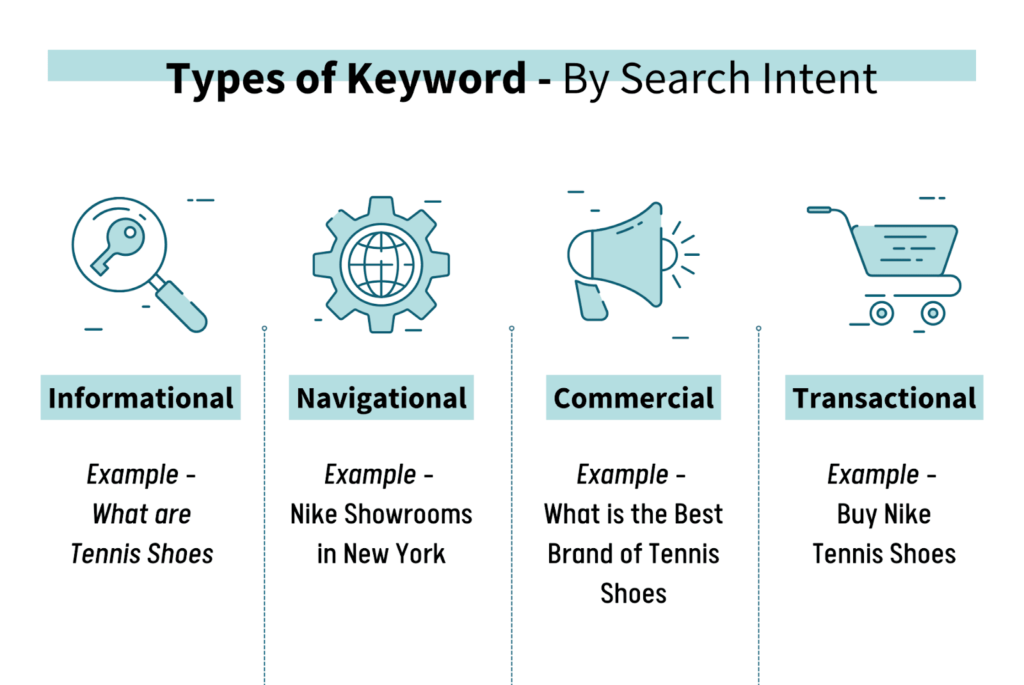
Keywords are divided based on user intent, which shows what the user wants to do when searching.
- Informational Keywords:
Used when users are looking for information (e.g., what is SEO). - Navigational Keywords:
Used when users want to find a specific website or brand. - Commercial Keywords:
Used when users are comparing products or services before buying. - Transactional Keywords:
Used when users are ready to take action, such as purchasing or signing up.
Tools and Techniques for Keyword Research
Keyword research can be done using different tools and methods to find the best keywords.
Popular tools:
- Google Keyword Planner
- Google Trends
- Ahrefs / SEMrush
Effective techniques:
- Analyze competitor keywords
- Focus on user intent
- Choose keywords with low competition and good search volume
- Use long-tail keywords for better targeting
Content Optimization
Helpful Content
Content is the most important part of SEO. In 2026, search engines prioritize content that is helpful and user-focused. This means your content should answer questions, solve problems, and provide value.
When writing content, use simple language and avoid complex terms. Make your content easy to read and understand. The goal is to help the reader.
Originality is also important. Copying content from other websites can harm your rankings. Instead, write in your own words and provide unique insights.
EEAT Concept
EEAT stands for Experience, Expertise, Authority, and Trust. It is an important factor in SEO. Search engines prefer content created by people who have knowledge and experience.
To improve EEAT, you should provide accurate information, share real experiences, and build credibility. This helps establish trust with users and search engines.
User Experience (UX) and Its Impact on SEO
User experience (UX) plays an important role in SEO because search engines prefer websites that are easy to use and provide value to users. A website that loads fast, is easy to navigate, and has useful content will rank higher and keep users engaged.
Website Navigation and Design
Good navigation and design make it easy for users to find information on a website. A clear structure and simple layout improve usability and overall experience.
Key elements include:
- Simple and clear menu
- Well-organized content
- Mobile-friendly (responsive) design
- Clean and attractive layout
Bounce Rate and Engagement
Bounce rate shows how many users leave a website after visiting only one page. A high bounce rate means users are not finding the content useful.
To improve engagement:
- Provide relevant and high-quality content
- Use proper headings and structure
- Add images and visuals
- Improve page loading speed
Core Web Vitals
Core Web Vitals are important metrics that measure user experience and website performance.
They focus on:
- Loading speed (how fast the page loads)
- Interactivity (how quickly users can interact)
- Visual stability (layout should not shift while loading)
Improving these factors helps in better SEO rankings and user satisfaction.
On Page SEO
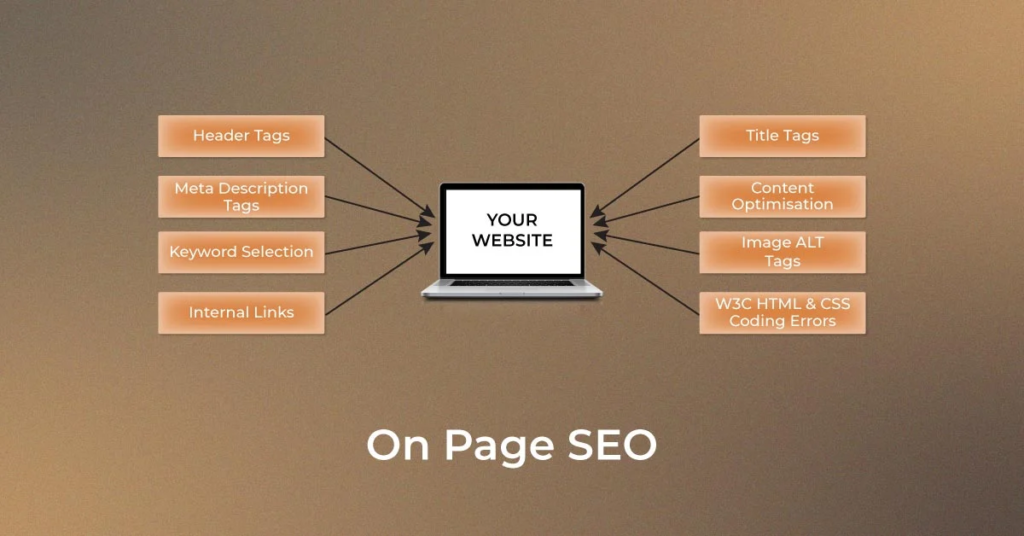
Titles and Meta Descriptions
Title tags and meta descriptions are important for on-page SEO. They help search engines understand your content and encourage users to click.
A good title should include your main keyword and be engaging. It should clearly describe what your content is about.
Meta descriptions provide a summary of your content. A strong description can increase your click-through rate.
Internal Linking
Internal linking connects different pages on your website. It helps users navigate and find related content.
It also helps search engines understand your website structure, which can improve rankings.
Technical SEO
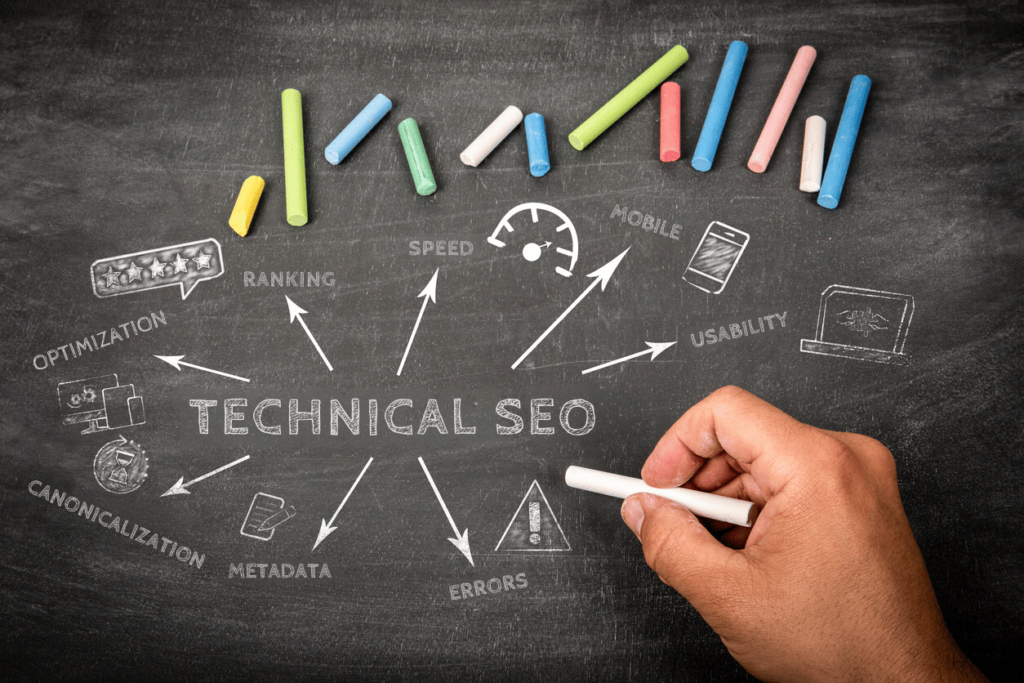
Website Speed
Website speed is a crucial factor in SEO. Users expect websites to load quickly. If your website is slow, they may leave before it loads.
Search engines also consider speed when ranking websites. A fast website improves user experience and engagement.
Mobile Optimization
Most users access the internet through mobile devices. That is why mobile optimization is essential.
Your website should be responsive and easy to use on all devices. This improves user experience and helps you reach a larger audience.
Link Building
Quality Backlinks
Backlinks are links from other websites to your site. They act as a signal of trust. The more high-quality backlinks you have, the more credible your website appears.
However, quality is more important than quantity. A few strong backlinks are better than many weak ones.
Brand Authority
Building brand authority is important for SEO. When people trust your brand, they are more likely to visit your website.
Brand mentions and online presence help build authority and improve rankings.
AI in SEO
Smart Use of AI
AI tools can help with keyword research and content creation. They make SEO easier and faster.
However, they should not replace human creativity. Always review and improve AI-generated content.
Avoiding Spam Content
Low-quality content can harm your rankings. Search engines can detect spam content and may penalize your website.
Always focus on quality, originality, and usefulness.
Local SEO and Voice Search
Local SEO
Local SEO helps businesses reach customers in their area. It involves optimizing your website for location-based searches.
Adding business details, location keywords, and reviews can improve your local visibility.
Voice Search
Voice search is becoming more popular. People use natural language when speaking, so your content should match this style.
SEO Tools and Analytics
SEO tools and analytics help in tracking website performance and improving SEO strategies. They provide useful data about traffic, keywords, and user behavior, which helps in making better decisions.
Google Analytics
Google Analytics is a powerful tool used to track website traffic and user activity. It shows how users interact with a website and which pages perform best.
It helps to:
- Track number of visitors
- Analyze user behavior
- Identify traffic sources
- Measure conversions
Google Search Console
Google Search Console helps monitor a website’s presence in search results. It shows how the website is performing and highlights any issues.
It is used to:
- Check website indexing
- Find keyword performance
- Fix errors and issues
- Submit sitemaps
Other SEO Tools
There are many other SEO tools that provide advanced features for analysis and optimization.
Popular tools include:
- Ahrefs
- SEMrush
- Moz
These tools help with:
- Keyword research
- Backlink analysis
- Competitor analysis
- SEO performance tracking
Why Choose SEO for Online Business
SEO is one of the most effective strategies for growing an online business. It helps websites reach potential customers who are already searching for related products or services. Unlike paid advertising, SEO provides long-term results and continues to bring traffic even without ongoing costs. This makes it a cost-effective solution for businesses of all sizes.
Another important reason to choose SEO is that it builds strong online visibility and brand awareness. When a website appears on the first page of search results, users are more likely to trust it. SEO also improves user experience by making websites faster, mobile-friendly, and easy to navigate. This not only attracts more visitors but also increases engagement and conversions. Overall, SEO helps businesses grow sustainably and stay competitive in the digital market.
Conclusion
In conclusion, SEO is an essential part of digital success in 2026. It is no longer limited to keywords but includes user experience, content quality, technical performance, and trust. By understanding how search engines work and applying the right strategies, businesses can improve their website visibility and attract more organic traffic.
From keyword research and content optimization to technical SEO and user experience, every aspect plays an important role in achieving better rankings. With the help of SEO tools and continuous improvement, businesses can track their performance and stay updated with changing trends. In the long run, investing in SEO leads to better visibility, higher engagement, and sustainable growth in the online world.
FAQs
1. What is SEO and why is it important?
SEO is the process of improving a website’s ranking on search engines. It is important because it increases visibility and brings more organic traffic.
2. How long does SEO take to show results?
SEO is a long-term strategy. It usually takes a few weeks to months to see noticeable results depending on competition and effort.
3. What is the difference between SEO and paid ads?
SEO focuses on organic (free) traffic, while paid ads require money for each click. SEO gives long-term results, while ads give quick but temporary results.
4. What are keywords in SEO?
Keywords are words or phrases that users search for on search engines. They help websites appear in relevant search results.
5. What is on-page and off-page SEO?
On-page SEO involves optimizing content and website elements, while off-page SEO focuses on backlinks and external factors.
6. Why is content important for SEO?
Content is important because it provides value to users. High-quality content helps improve ranking and keeps users engaged.
7. What are backlinks in SEO?
Backlinks are links from other websites to your site. They help build trust and improve your website’s authority.